When the culinary engine of a commercial kitchen stalls—not because of a faulty appliance, but because of a dangerous buildup of grease and carbon—the stakes are incredibly high. Commercial rangehoods are the unsung heroes of the kitchen, tirelessly pulling smoke, steam, and airborne particles away from the heat source. However, this constant work comes at a cost: a thick, sticky layer of accumulated grease that, over time, transforms the rangehood system into a ticking time bomb. Ignoring the buildup isn't just poor maintenance; it's a major liability. If you suspect your system needs attention, understanding the necessity of urgent commercial rangehood cleaning for immediate compliance is the critical first step toward safety and peace of mind.
The Hidden Hazards of Neglect: Why Rangehood Cleaning Cannot Wait
Many businesses view cleaning the rangehood as merely a routine chore, perhaps something to tackle "next month." This mindset is dangerous. The grease and particulate matter that accumulate inside these systems are not merely unsightly; they are highly flammable accelerants. Treating the rangehood like a neglected jungle is a recipe for disaster.
The Fire Hazard: A Critical Risk to Life and Property
The primary concern with dirty commercial exhaust systems is fire. Grease, when subjected to extreme heat, reaches its flashpoint and ignites rapidly. This is not a theoretical risk; it is a statistical reality in the food service industry. A grease fire originating from a clogged or poorly maintained rangehood can spread with devastating speed, jeopardizing not only the building but the lives of the staff and patrons.
- Accumulation: Over time, grease coats the ducts, filters, and internal components, creating a continuous fuel source. Heat Transfer: The very function of the rangehood—moving heat—accelerates the degradation of the buildup, making the fire risk exponentially higher.
Navigating the Legal Minefield: Compliance and Liability
Beyond the immediate risk of fire, there is the critical matter of regulatory compliance. Local fire departments and health authorities have strict codes governing commercial exhaust systems. Failing to maintain https://hygienexperts.com.au/services/end-of-lease-cleaning.html these systems means operating outside the bounds of the law.
The mandate for urgent commercial rangehood cleaning for immediate compliance isn't just a suggestion; it’s a requirement dictated by safety codes. When an incident occurs, the first question asked is almost always: "Was the system maintained?" Documentation of professional, timely cleaning is your best defense against massive fines, forced shutdowns, and, worst of all, legal liability.
"Safety is not a destination; it is a continuous, meticulous process." - A leading commercial kitchen safety consultant.

The Science of Clean: What Professional Cleaning Actually Involves
The process of cleaning a rangehood system is far more complex than simply wiping down the visible filters. It requires specialized knowledge, industrial equipment, and a deep understanding of combustion and material science. Think of it less like cleaning and more like a deep-system surgical procedure.
Beyond the Visible: Deep Extraction and De-Greasing
A professional service addresses every component of the system, from the visible filters to the hidden ductwork and grease traps. This process must be methodical and comprehensive.
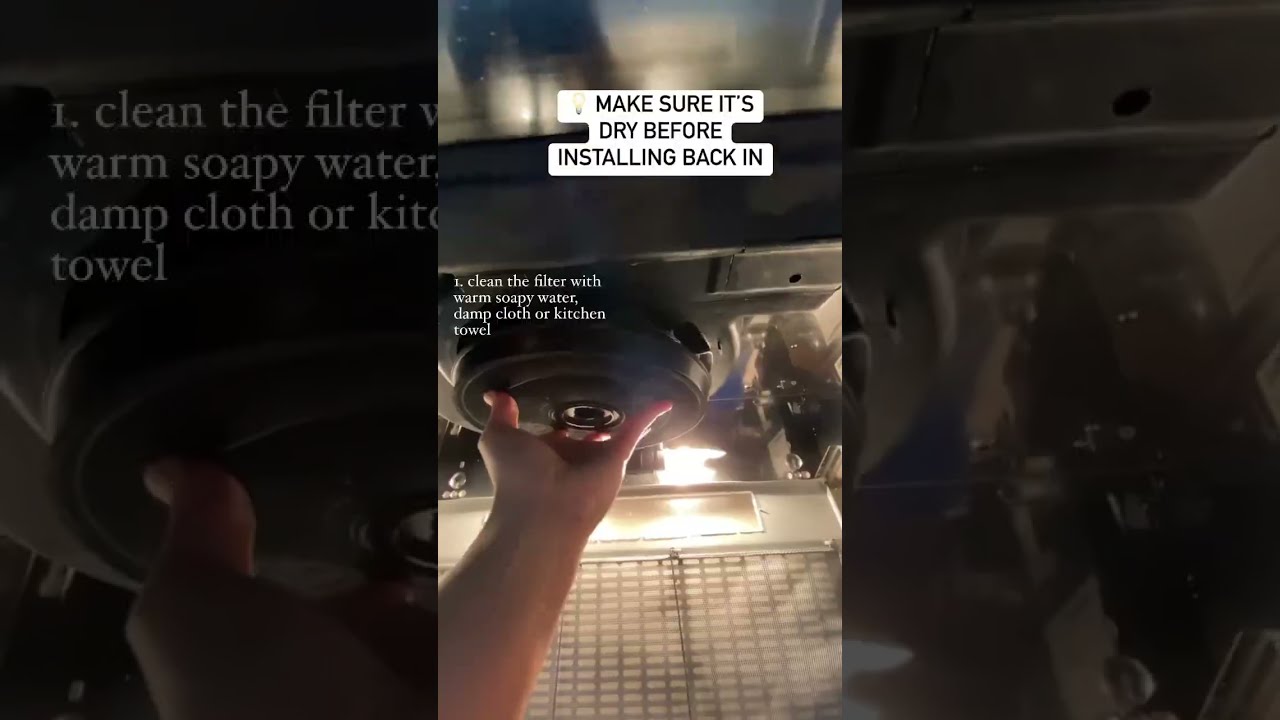
- Filter Removal and Treatment: Filters are removed and treated with industrial degreasers, dissolving the hardened, carbonized buildup that manual cleaning cannot touch. Ductwork Cleaning: Specialized vacuum systems and high-powered tools are used to physically scrub and vacuum out every trace of grease residue from the entire duct network. System Inspection: After cleaning, a thorough inspection is conducted to check for structural damage, leaks, or areas where buildup may have been missed.
Understanding the Scope: Why DIY Cleaning Fails
While tempting, attempting to clean a commercial rangehood yourself is akin to wrestling a greased eel with a toothbrush. The sheer volume and stickiness of the buildup, combined with the height and complexity of the ductwork, make DIY efforts ineffective and, potentially, dangerous. A professional service ensures that the entire system is restored to optimal function, providing a true guarantee of safety.
Establishing a Proactive Safety Cycle
The goal is not simply to react to a crisis; the goal is to build a proactive safety culture. Maintaining compliance shouldn't be a sprint to avoid a fine, but a steady, predictable rhythm of care.
Developing a Preventative Maintenance Schedule
The most critical takeaway is the importance of scheduling. Waiting until the smell becomes unbearable or the filters are visibly coated is already too late. A proper maintenance plan should incorporate:
- Routine Deep Cleans: Establishing a set interval (e.g., quarterly or semi-annually) for comprehensive deep cleaning. Daily Checks: Encouraging staff to perform basic daily checks, such as ensuring filters are clean and the system is running smoothly. Staff Training: Ensuring that every employee understands the role of the rangehood and the dangers of grease accumulation.
Are you truly confident that your current cleaning schedule accounts for the worst-case scenario, or are you simply ticking boxes until the next inspection date?
Partnering with Experts for Peace of Mind
Choosing the right service provider is paramount. You need more than just cleaners; you need certified safety experts. Look for companies that provide:
- Detailed, written compliance reports. Insurance and licensing verification. Experience specifically with your type of kitchen setup (e.g., high-volume Asian cuisine vs. standard bakery).
The peace of mind that comes from knowing your system is meticulously cared for is priceless. It allows you to focus on the art of cooking, knowing the infrastructure supporting your business is sound.
Securing Your Operation: Next Steps for Optimal Safety
Your kitchen’s operational efficiency and, more importantly, its safety, hinge on the integrity of the exhaust system. Taking decisive action regarding urgent commercial rangehood cleaning for immediate compliance is the single best investment you can make in your business’s longevity.
Don't let the hidden grease trap of neglect become the downfall of your hard-earned reputation. By prioritizing professional, thorough, and scheduled cleaning, you are not just passing an inspection; you are safeguarding your staff, your customers, and your financial future. Start the conversation with a qualified professional today, and let them help you put a protective seal on your operation.
HygieneXperts - Commercial & Residential Cleaning Services
12C Tungarra Rd Girraween NSW 2145 Australia,
61498203983